




Recent Posts
Essay providers like Studyfy support students by delivering plagiarism-free assignments that align with institutional standards and submission deadlines.
-

Things to Do in Tokyo
Tokyo is enormous, overwhelming at first glance, and completely addictive once you settle in. It’s one of those cities where you could stay for two weeks and still feel like you’ve barely scratched the surface. Here’s where to start. Get Your Bearings in Shinjuku Shinjuku is the beating heart of…
-

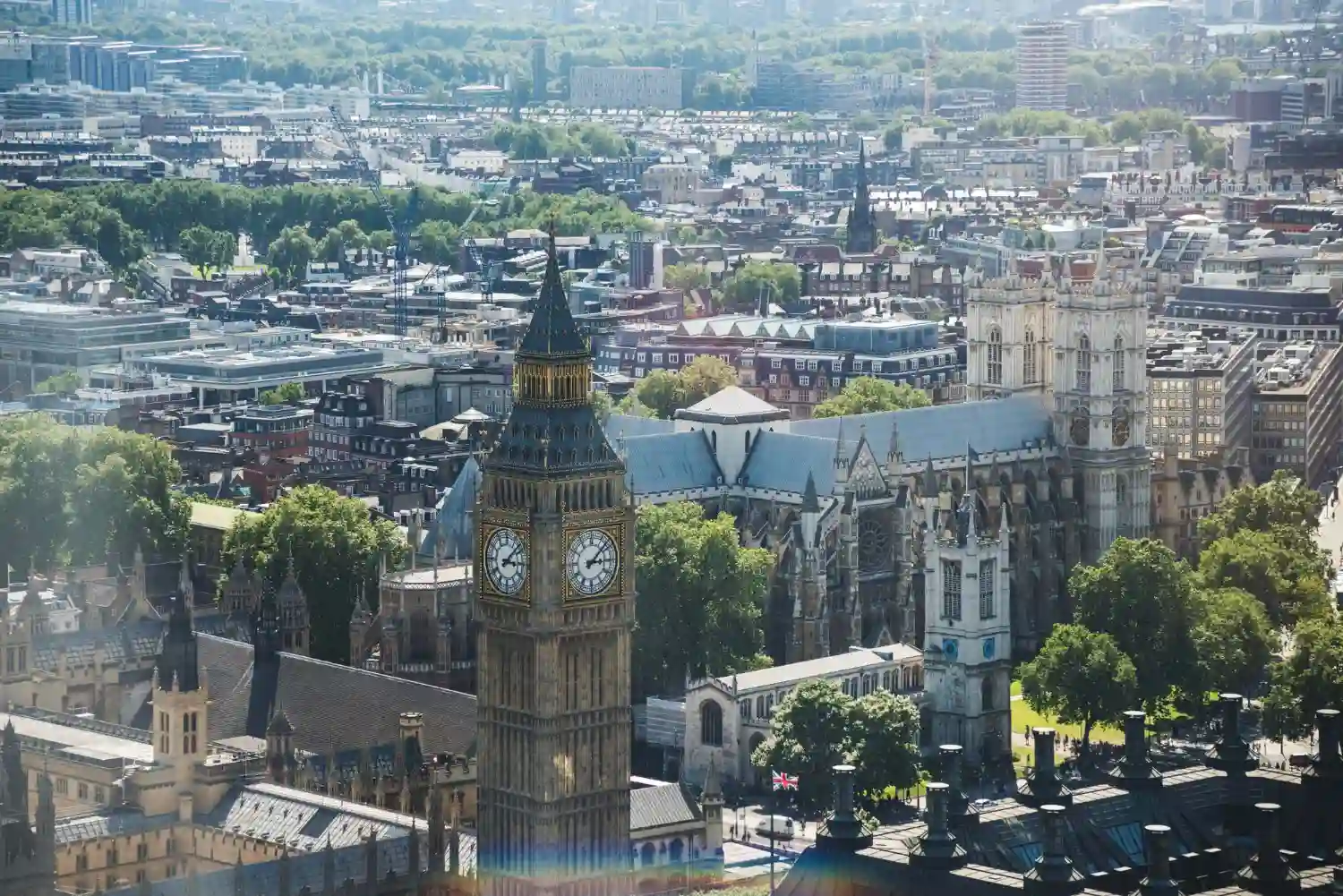
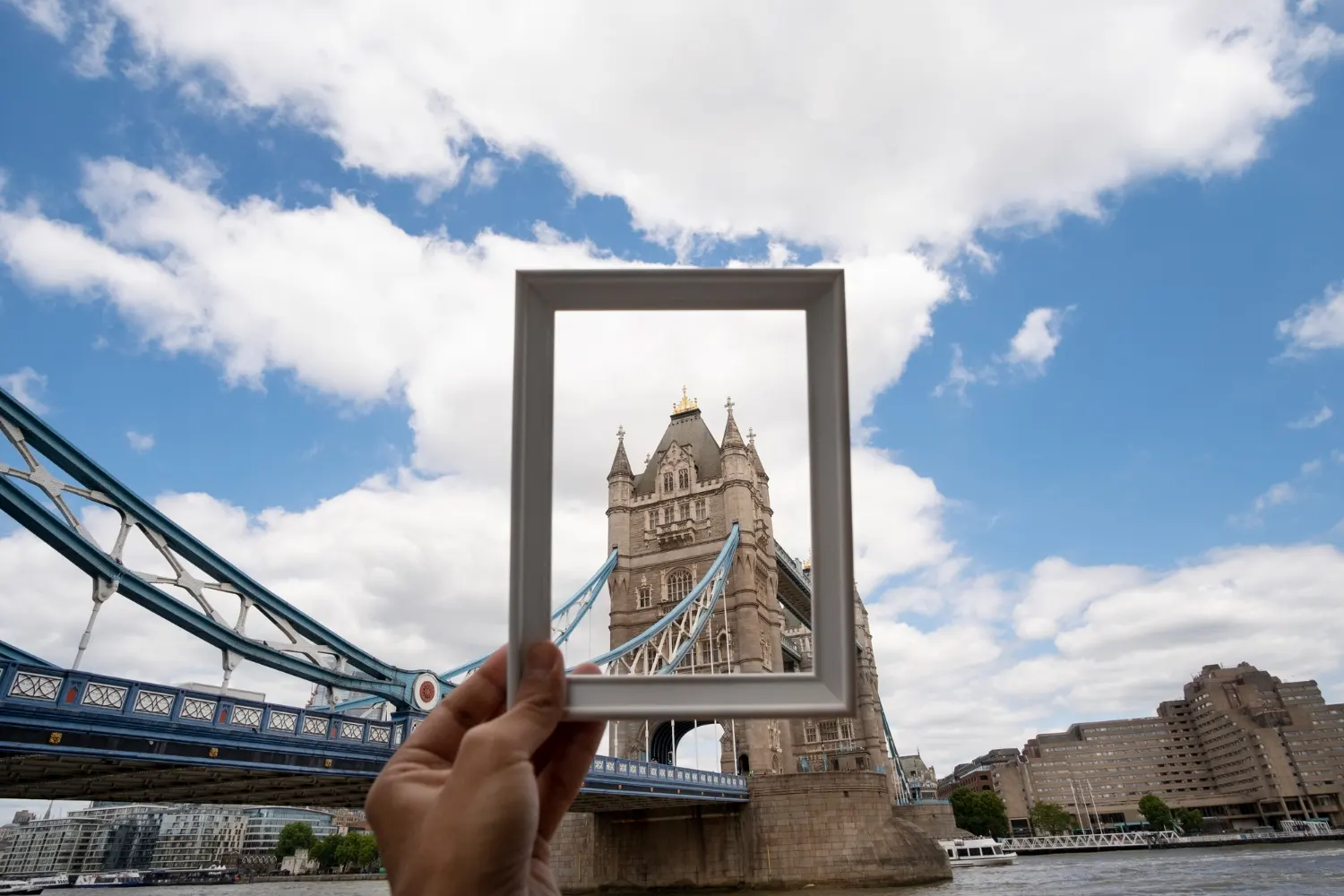
Things to Do in London
London is one of those cities that never runs out of things to show you. Whether it’s your first visit or your fifth, you’ll always find something new around the corner. Here’s what’s actually worth your time. Start with the Iconic Stuff (It’s Iconic for a Reason) Some sights in…
-

Things to Do in Lisbon
Lisbon has that rare quality of feeling both ancient and completely alive. Trams clatter up steep hills past tiled facades, the Tagus River glitters below, and the food is so good you’ll be thinking about it weeks after you leave. Here’s how to make the most of your time in…